The world is undergoing a remarkable transformation as it moves from dependence on fossil fuels to the adoption of clean energy sources. Combating climate change and limited fossil fuel reserves have been the main drivers behind this global transition.
The prominent catalyst for the transition to clean energy sources is the need to stop climate change and mitigate its effects. Fossil fuels such as coal, oil and natural gas contribute significantly to greenhouse gas emissions that cause global warming. The transition to renewable energy is vital for reducing carbon emissions and reducing the negative impacts of climate change on ecosystems, people and our planet.
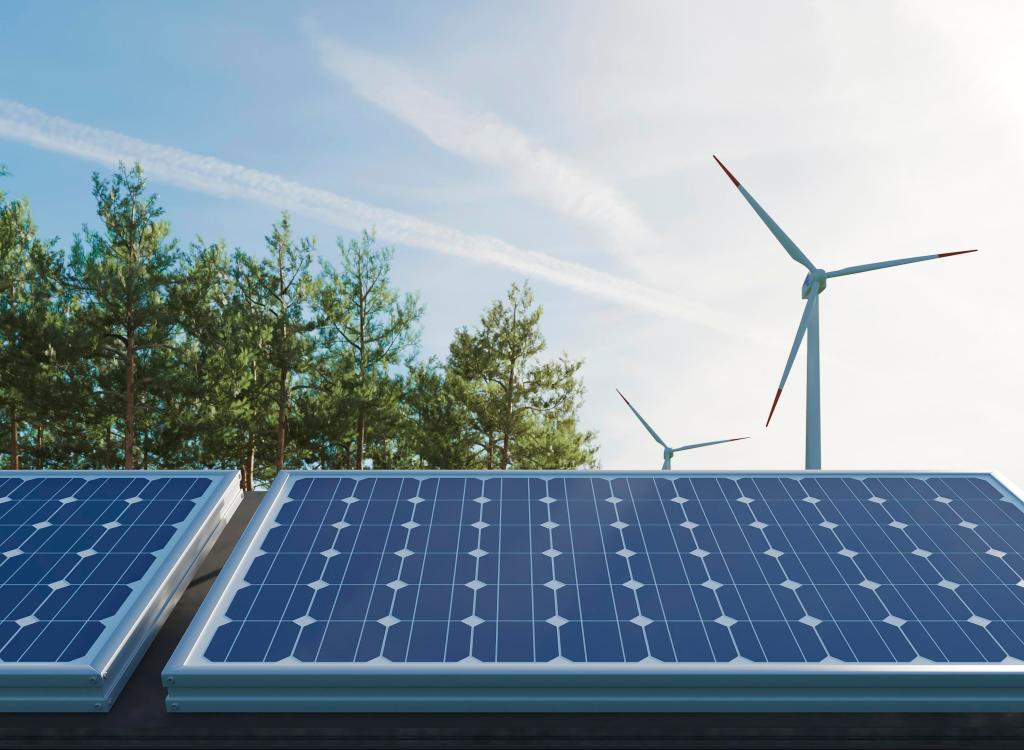
When we look at the increase in the share of renewable energy in electricity production, we can say that significant progress has been made in the global adoption of renewable energy sources. The best example of this is solar energy, which has recorded a remarkable growth with decreasing costs, technological developments and increasing investments. Wind energy has also experienced significant expansion with the introduction of larger and more efficient turbines around the world. In addition, other renewable sources such as hydroelectric, geothermal and biomass energy have gained momentum, offering diversified options for clean energy generation.
We know that the global transition to clean energy sources not only brings environmental benefits, but also offers new economic opportunities. These opportunities can be listed as the increase in economic growth, the emergence of new business lines, the increase in employment and the increase in energy investments. Countries that have embraced the transition and are aware that it offers a roadmap have taken an active role in the emergence of a robust renewable energy industry that fosters innovation, attracts capital flows and creates new jobs.
While the global transition to clean energy is promising, it also brings challenges. We can define the intermittency of renewable energy sources, grid modernization, the need for energy storage and the investment cost challenges of this transition. In order to overcome these difficulties, both incentives should be given and regulations should be clear and applicable. In addition, it is critically important to support R&D studies. To date, we see that the advances in energy storage technologies and the development of smart grids positively affect the increase in renewable resources. Additionally, encouraging international cooperation, knowledge sharing and capacity building can accelerate transition and overcome obstacles.
We see that a global study has started for the transition from fossil fuels to renewable energy sources, with the society’s awareness of climate change and the necessity of transitioning to clean energy sources. Although environmental imperatives and economic growth are the two main drivers of this change, the challenges brought by this change cannot be ignored. Technological developments and R&D studies have reduced costs, and incentives have increased the number of investments. The transition presents an unprecedented opportunity to combat climate change, create a green economy, and secure a sustainable future for generations to come.
 TOMRIS
Yorum bırakın